Busy hours in retail: how to still help every shopper
Short answer
Your busiest hours are the hours in which you sell the most and miss the most. First map when it is really busy (not when it feels busy), plan your staffing around that, let staff advise rather than restock during peaks, and give shoppers a way to get an answer themselves while everyone is occupied.
When is a store at its busiest?
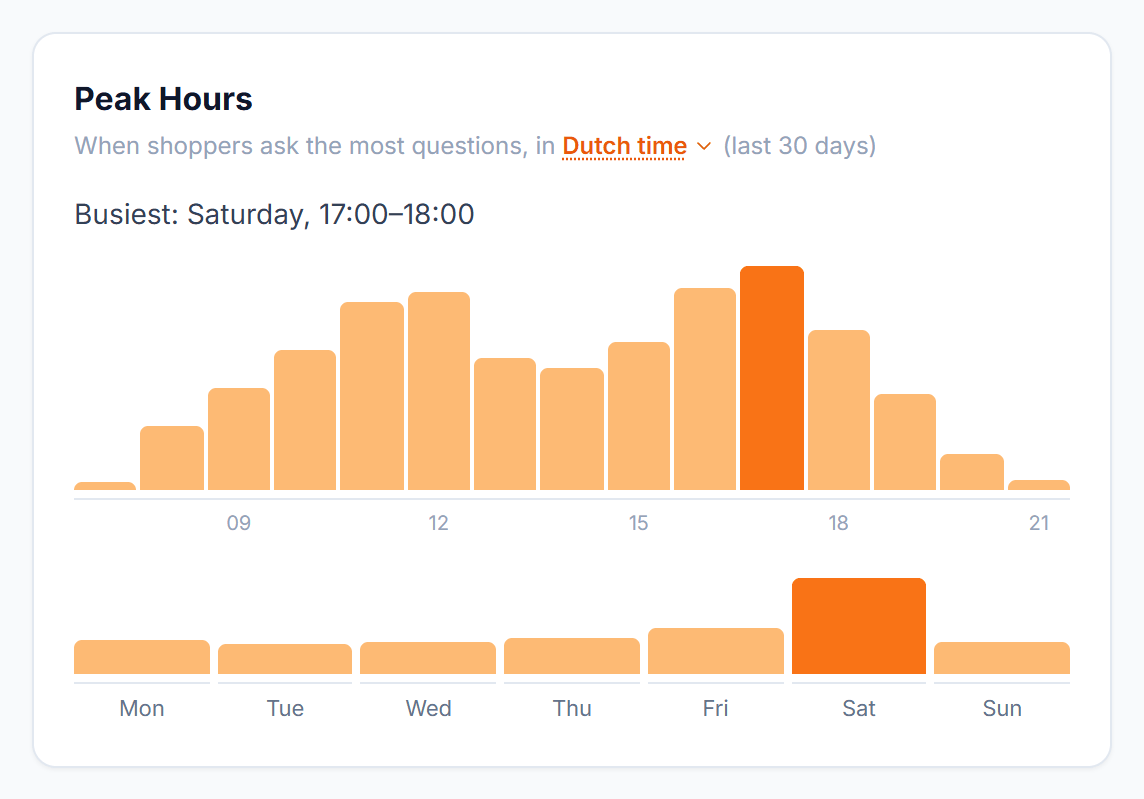
It differs per store, which is why your gut feeling is a poor guide. For many stores the peaks are on Saturday, around lunchtime and late in the afternoon after work. But a hardware store next to a new housing estate, a shop in a tourist centre and a store next to a station each have their own rhythm.
Where to find it:
- Till data per hour. The number of receipts per hour is the simplest measure of how busy you are.
- A footfall counter at the entrance, if you have one. The gap between visitors and receipts says something about how many people leave without buying.
- Your staff. Ask at which moments they could not help shoppers. That is a different question from when it was busy.
Why do busy hours cost you customers?
Because a shopper with a question at a busy moment has two options: wait or leave. A shopper who sees a member of staff already dealing with three other people often does not even ask. They look a little longer, do not find it, and leave. You never see it: no complaint, no receipt. More on that in Why shoppers leave your store without buying anything.
How do you plan staff for busy hours?
- Plan on data, not habit. Put the rota next to the number of shoppers per hour. Often staffing stays flat while footfall varies a lot.
- Move tasks away from the peak. Restocking, changing price labels and receiving deliveries belong in the quiet hours. At the peak, everyone is with the shoppers.
- Put your most experienced people on the floor. The difficult advice questions come at busy times too. Someone who is still learning can take the till.
- Make one point of contact visible. A recognisable spot where shoppers know they can get help stops them interrupting staff mid-conversation, or giving up.
How do you help shoppers who do not want to wait for staff?
By catching the simple questions before they reach a member of staff. A large share of what shoppers ask is "where is...?" or "do you have...?". Those questions need no expertise, but at a busy moment they still take someone off the floor.
What helps:
- Clear signage in the words shoppers use (see What copy on in-store signs actually works?).
- Product information at the shelf for the products people ask about most.
- A way to ask the question themselves, for example through a QR code in the store.
That way your staff's time goes to the shoppers who really need advice.
Frequently asked questions
Should I simply add more staff during busy hours?
Sometimes, but it is often more effective to shift existing hours and move tasks to quiet moments. Extra people help little if they spend the peak restocking shelves.
How do I measure footfall without a counter?
Start with receipts per hour from your till system. Add a few weeks in which staff tally how often they had to keep a shopper waiting.
When is a quiet moment to schedule tasks?
Look for the dips in the same data. Often that is the first hour after opening and mid-afternoon on weekdays, but check it for your own store.
Conclusion
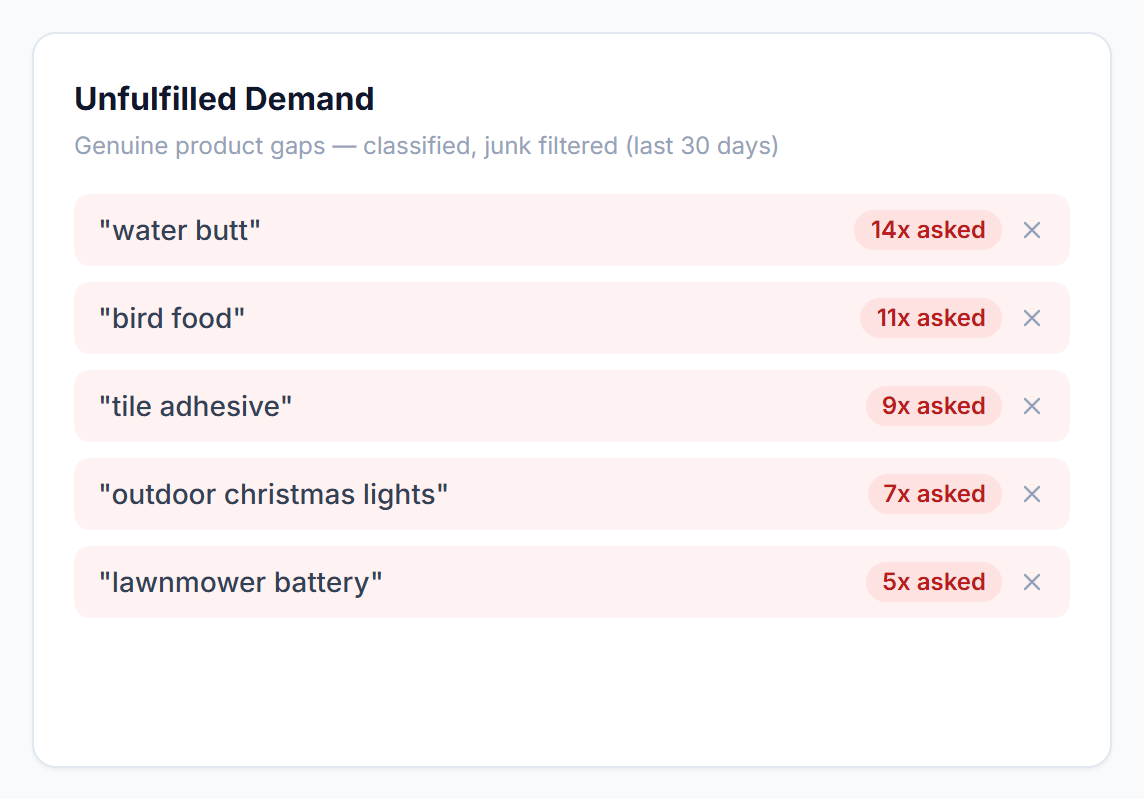
Busy hours are not a problem, they are where your revenue is. The problem is the shopper who cannot get their question answered at that moment. Plan your staffing on real data and make sure the simple questions do not have to wait for your team. With Aisly, shoppers can ask those questions themselves, on their phone, even when everyone is busy. And the dashboard shows, hour by hour, when most questions come in, so you know when you need your people most.